Why Cats Knead: The Meaning Behind the “Biscuit-Making” Habit
Why Cats Knead: The Meaning Behind the “Biscuit-Making” Habit
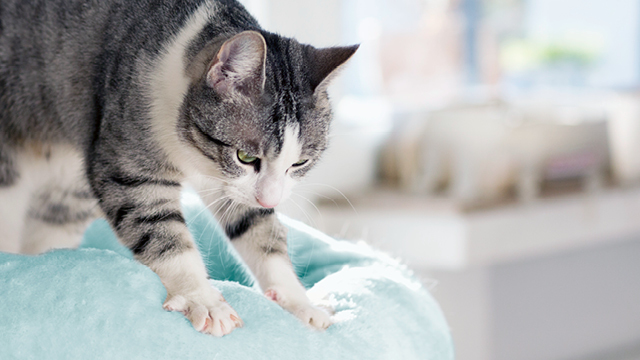
Cats have many quirky behaviors, but few are as universally adored as kneading. Whether your cat is rhythmically pushing their paws into your lap, a blanket, or a pillow, the motion looks almost like they’re making dough—hence the nickname “making biscuits.”
But what does this behavior actually mean?
Kneading is a natural feline behavior with deep evolutionary roots. While it often signals comfort, affection, or territory marking, it can also reveal your cat’s emotional state or needs. Here is a clear breakdown of why cats knead and what it means for you as their human.
1. Kneading Starts in Kittenhood
The origin of kneading goes back to the earliest days of a cat’s life.
Kittens knead their mother’s belly while nursing because the motion stimulates milk flow. This action becomes associated with warmth, safety, and comfort.
Even after they grow up, many cats continue kneading when they feel relaxed or secure.
2. It’s a Sign of Comfort and Trust
Most adult cats knead when they’re especially calm.
Common kneading moments include:
- settling down to nap
- lying on their favorite soft object
- cuddling with their human
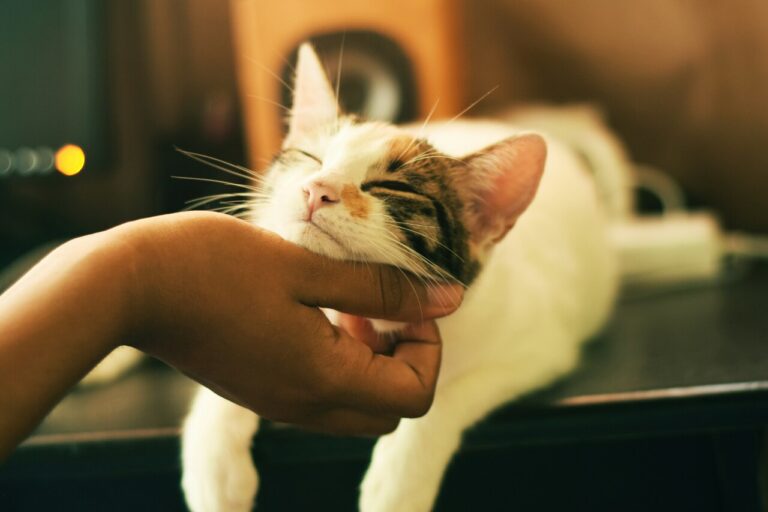
If your cat kneads on you specifically, it means they feel safe in your presence. It’s a sincere sign of trust.
3. Kneading Marks Their Territory
Cats have scent glands in their paws.
Every time they press their paws into something, they’re leaving a subtle scent behind.
This behavior can be an instinctive way to claim a spot or person:
- “This blanket is mine.”
- “This couch is mine.”
- “This human is definitely mine.”
It’s harmless, and for many cats it’s simply part of feeling secure in the home.
4. A Way to Stretch Their Muscles
Kneading is also a simple physical stretch. Cats often do it:
- after waking up
- before settling down
- during grooming sessions
The rhythmic movement helps loosen their shoulders, toes, and legs.
Think of it as yoga for cats.
5. Nesting Instincts from Wild Ancestors
Wild cats knead grass or leaves to create a soft, comfy spot for resting.
This “nesting” instinct is still present in domestic cats.
When your cat kneads a blanket or cat bed before lying down, they are essentially preparing the area—just like their ancestors would prepare a sleeping spot outdoors.
6. Kneading Can Be a Self-Soothing Behavior
Cats sometimes knead when they are anxious or overstimulated.
It can help them calm down, the same way purring often does.
Typical situations:
- after a loud noise
- after meeting new people
- when feeling insecure
If the kneading is intense or constant, it might be their way of self-regulating emotions.
7. Some Cats Knead More Than Others
Personality plays a role.
Some cats knead every day, while others rarely do it. The tendency can vary based on:
- breed
- individual temperament
- early life experience
For example, Ragdolls and Siamese are known for affectionate kneading.
There’s no “normal” amount of kneading—each cat expresses comfort differently.
8. Why Kneading Sometimes Hurts (and What You Can Do)
Kneading on your lap can be adorable… until the claws come out.
Cats usually don’t mean to scratch you. They extend their claws as part of the movement.
You can make it more comfortable by:
- placing a blanket on your lap
- trimming their nails regularly
- redirecting them to a soft pillow when claws are too sharp
Avoid punishing them, since kneading is a natural, instinctive behavior.
9. When Kneading Might Be a Sign of a Problem
In rare cases, kneading can be linked to:
- compulsive behavior, especially if it’s nonstop
- stress or major environmental changes
- early weaning, when it becomes excessive suckling or wool-chewing
If kneading is constant, destructive, or paired with anxiety, a vet or feline behaviorist can help identify triggers.
10. Final Thoughts
Kneading is one of the most endearing cat behaviors, rooted in comfort, instinct, and affection. Whether they do it on your lap, a blanket, or their favorite spot, it usually means your cat feels safe and content.
Understanding this habit helps strengthen the bond you share—and if your cat “makes biscuits” on you regularly, take it as a compliment. They see you as part of their cozy, trusted world.